Low-maintenance plants for planters: greenery that withstands heat, wind, and sun
In recent years, the climate has been changing more and more noticeably: spring has become unstable — warm weather alternates with frosts, and summer sometimes surprises with either exhausting heat or unexpected cold spells. That is why more and more gardeners and landscape designers are looking for solutions that will help keep green spaces well-maintained and attractive despite any weather conditions.
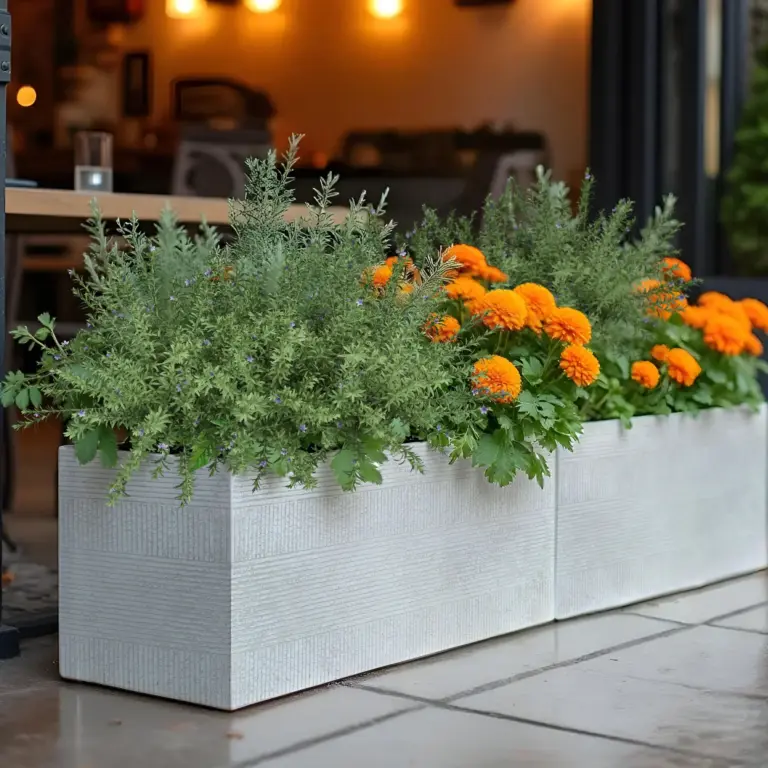
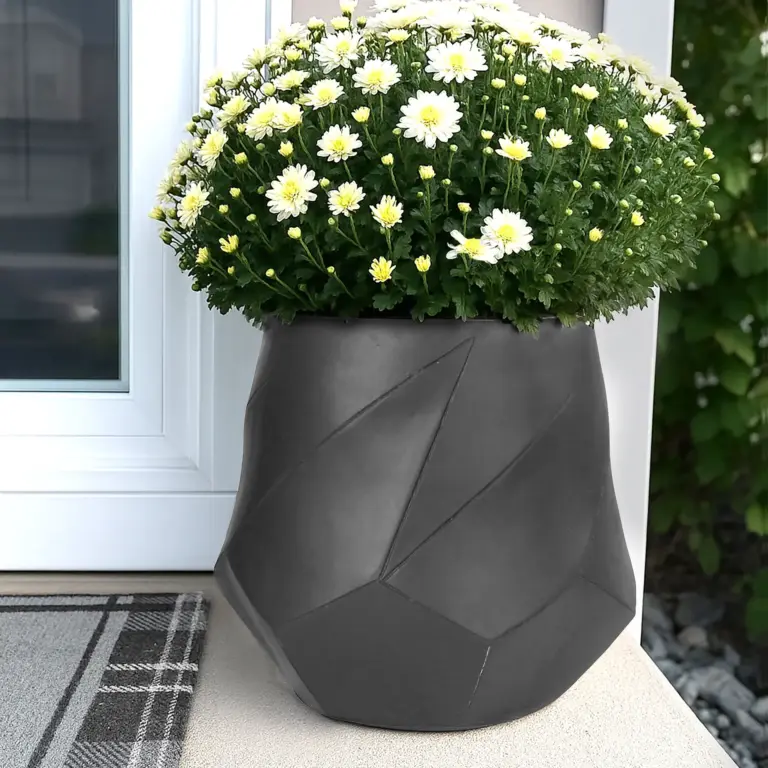
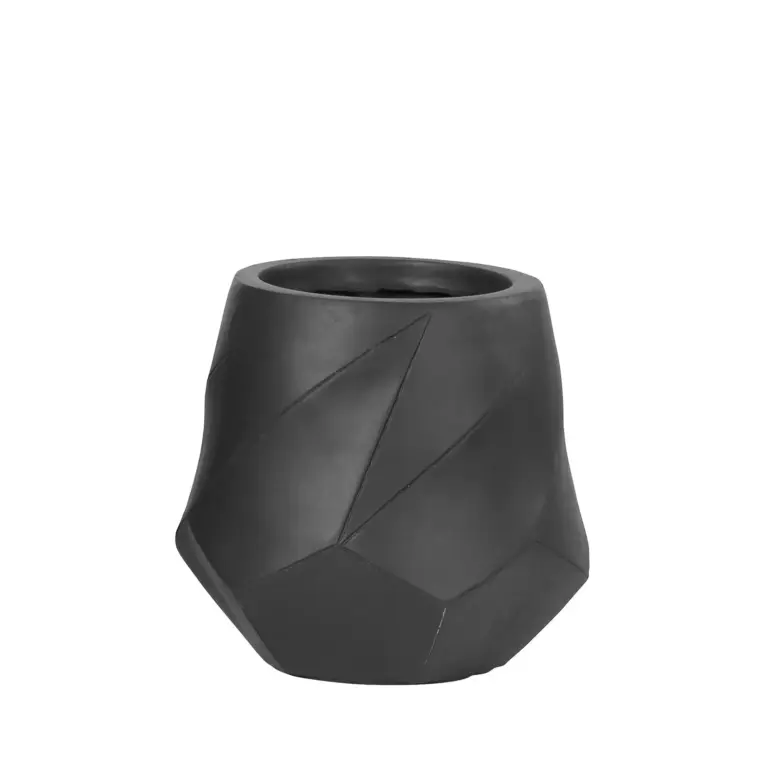
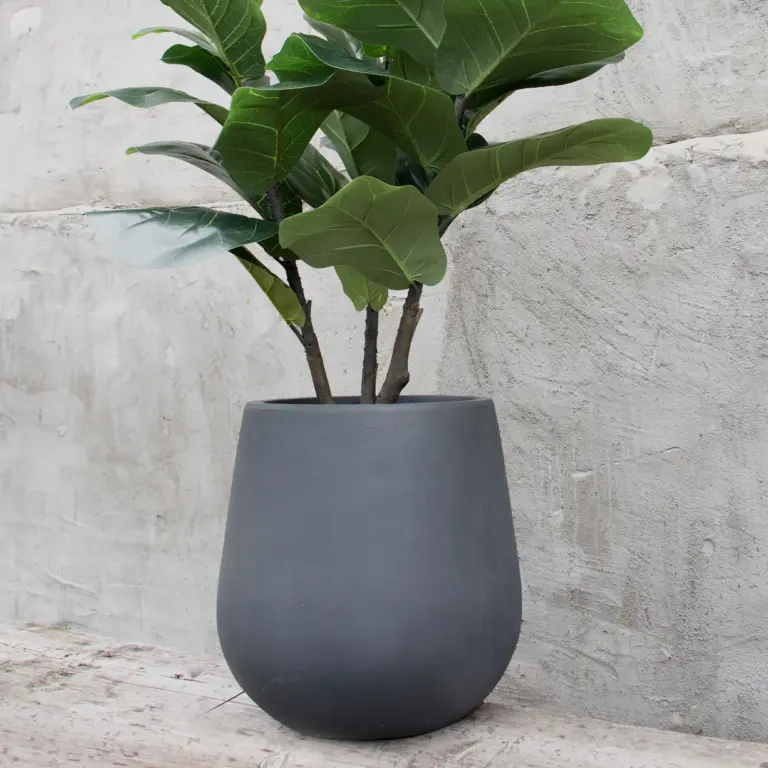
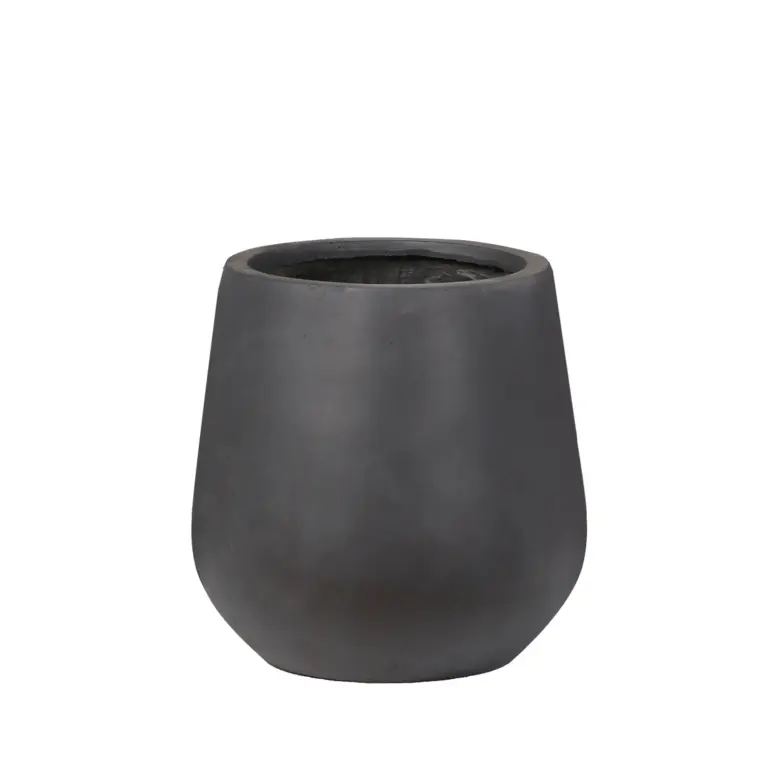
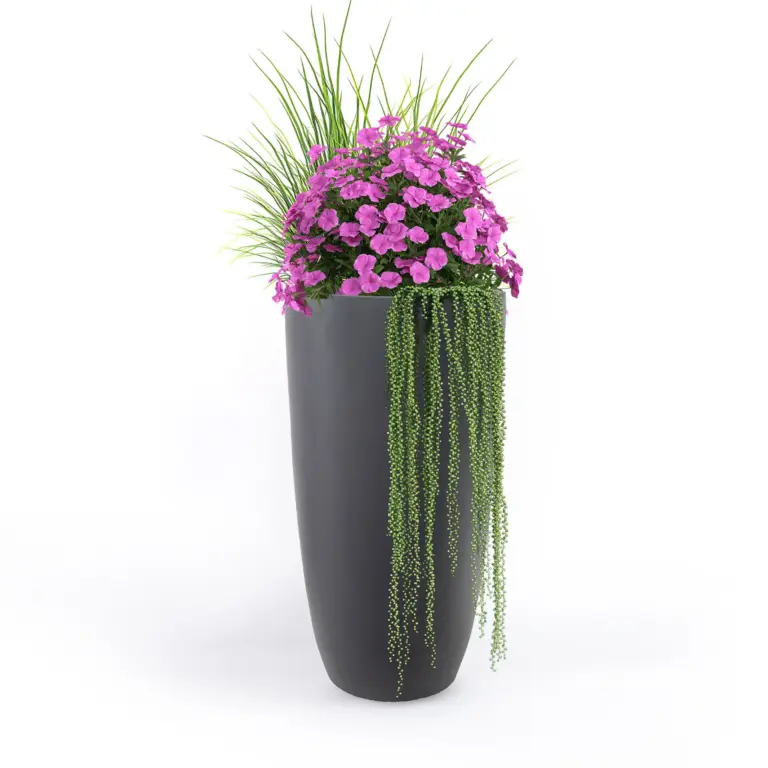
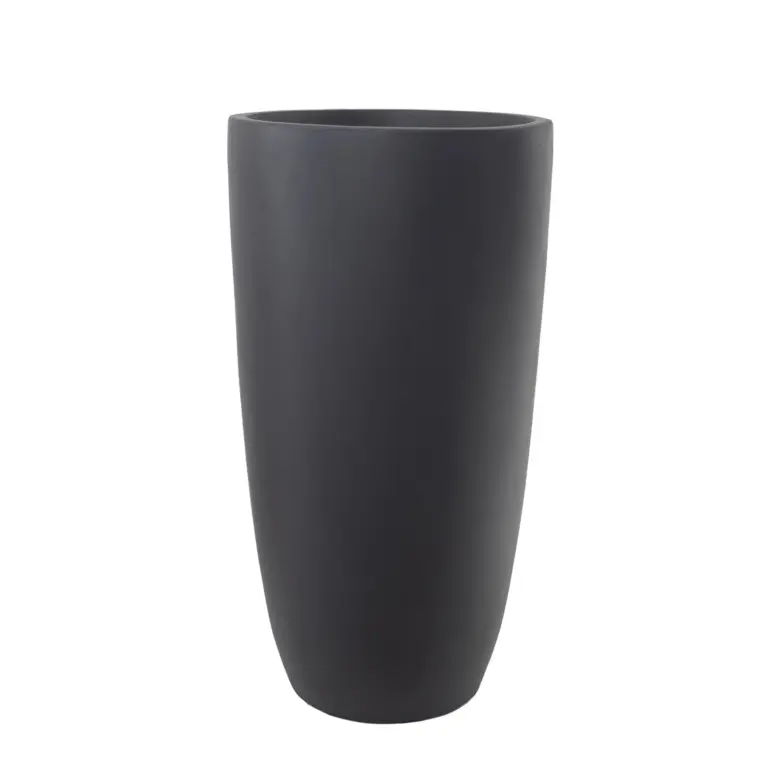
We have prepared a selection of plants and trees that will гармонично fit into any landscape design or garden, and most importantly — withstand heat, drought, and weather fluctuations while keeping your space green and well-maintained. All of them feel great in Engard Fiberstone planters — lightweight, durable, and resistant to UV and moisture.
Why choose drought-tolerant plants
Classic landscaping requires regular watering, fertilizing, and temperature control. The modern pace of life and unpredictable weather make such care difficult — especially for busy owners of private homes, cafés, restaurants, and offices.
Drought-tolerant plants are a practical solution: they withstand 35+ °C, do not die from temporary drought, and do not require weekly watering. Paired with a quality planter with proper drainage, such plants can live for years without extra attention.
Proven low-maintenance plants for planters
Lavender
Fragrant and low-maintenance, it adds Mediterranean notes to a garden. It tolerates heat and drought well and loves sunny locations.
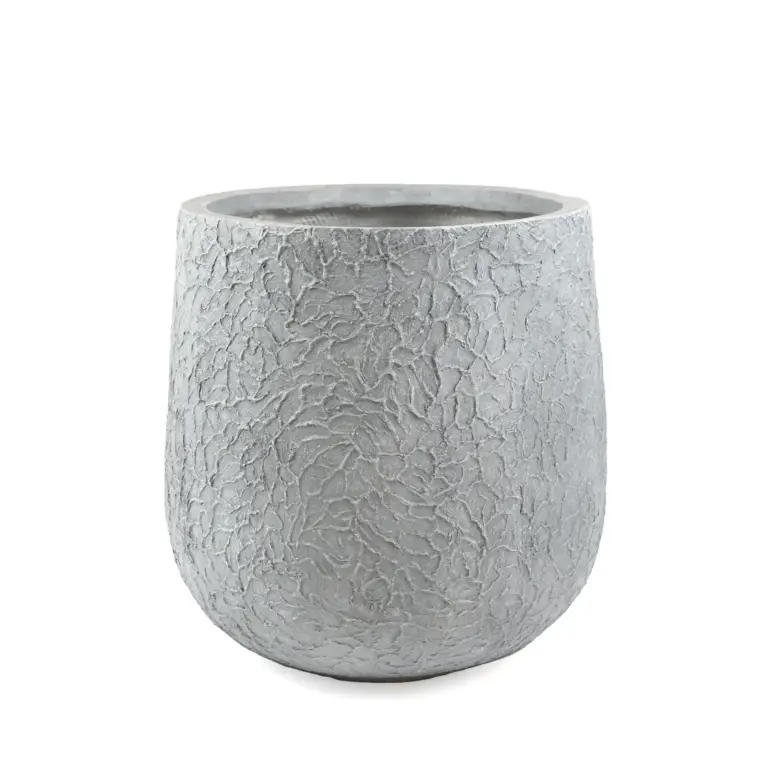
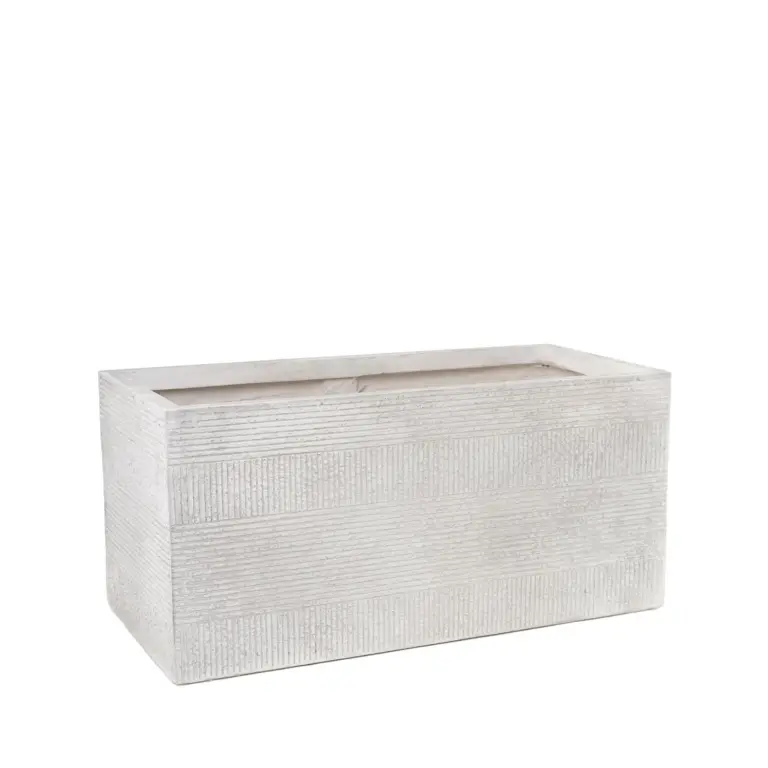
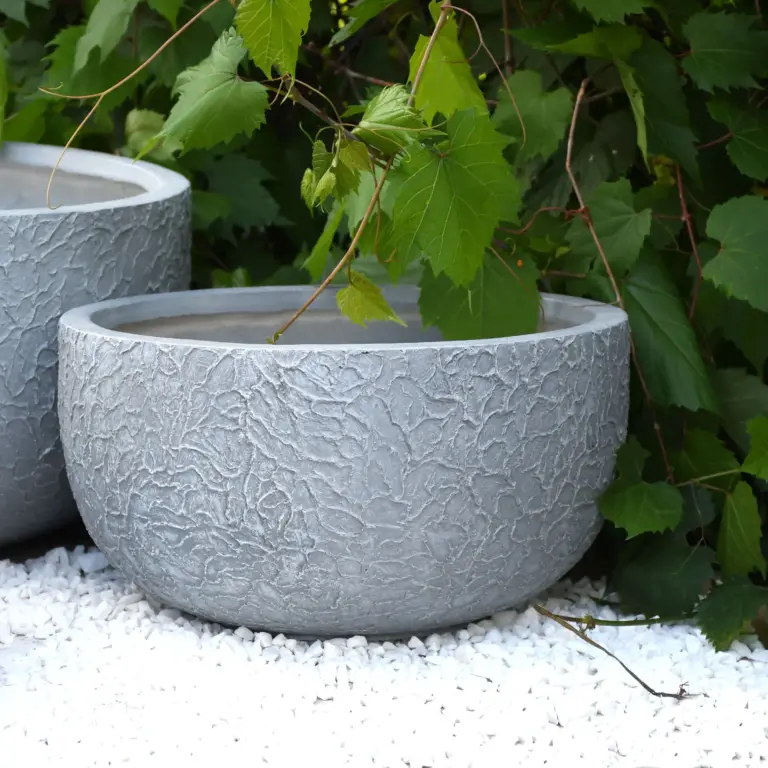
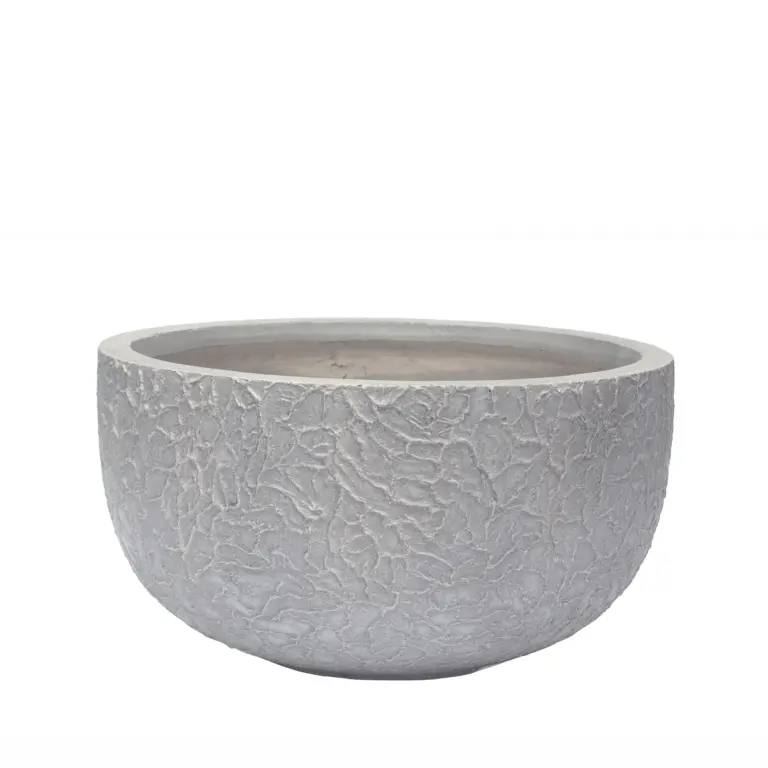
Ideal planter: medium size with a stone texture — for example, Vells 27×27×18 cm or Vells 37×37×26 cm. Lavender does not like large volumes — in a compact pot it blooms more intensively.
Yucca
The sculptural shape of the leaves adds an accent to modern or minimalist landscapes. It loves sun and tolerates high temperatures.
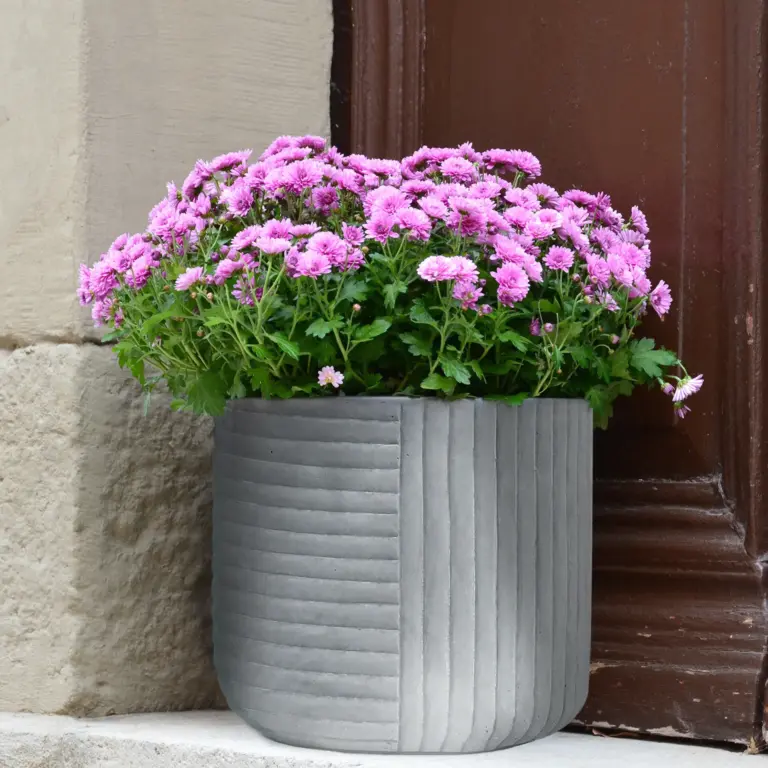
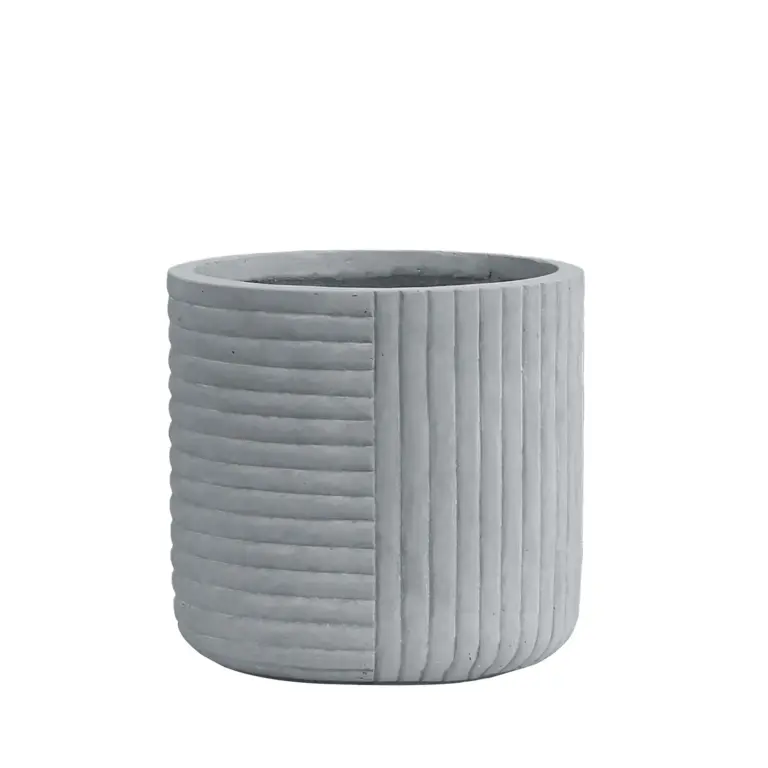
Ideal planter: a tall model that emphasizes the vertical shape of the plant. We recommend Ottawa 22×22×50 cm for a small yucca or Torino 54×54×100 cm for a mature plant on a large terrace.
Agave
A symbol of resilience and decorativeness. It has thick leaves that retain moisture. Suitable for open spaces and even irregular watering.
Ideal planter: a large floor model with a wide base — Lisbon 52×52×60.5 cm or other XL models from the Engard catalog. Depth is important for root system development.
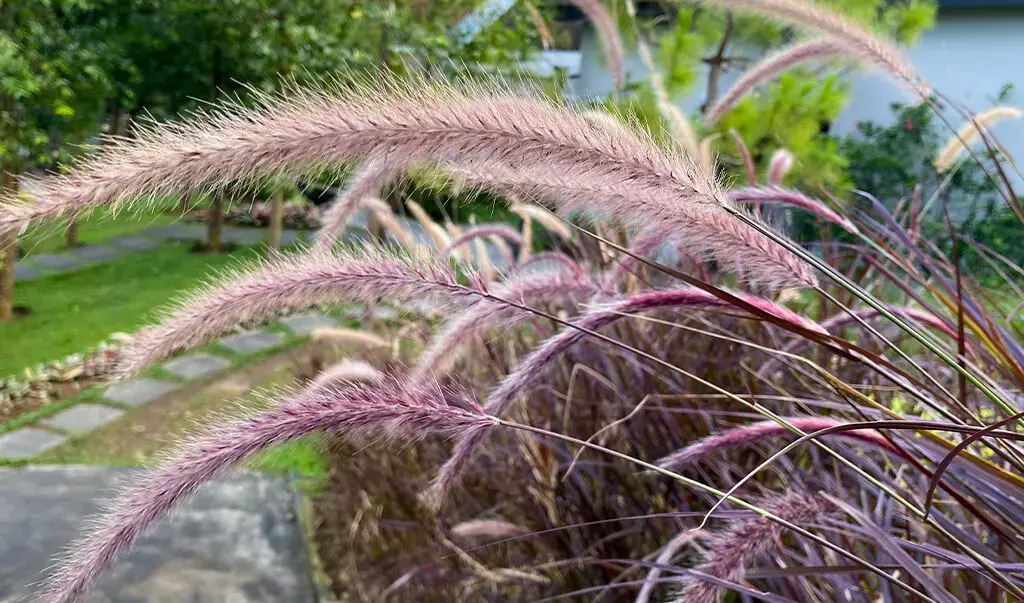
Ornamental grasses (miscanthus, feather grass)
Easy to care for, resistant to heat and wind. They nicely fill space and create natural movement in the wind.
Ideal planter: wide or elongated — Vells 37×37×26 cm for single planting or large models for linear compositions along a terrace.
Cacti and succulents (sedum, aeonium, aloe)
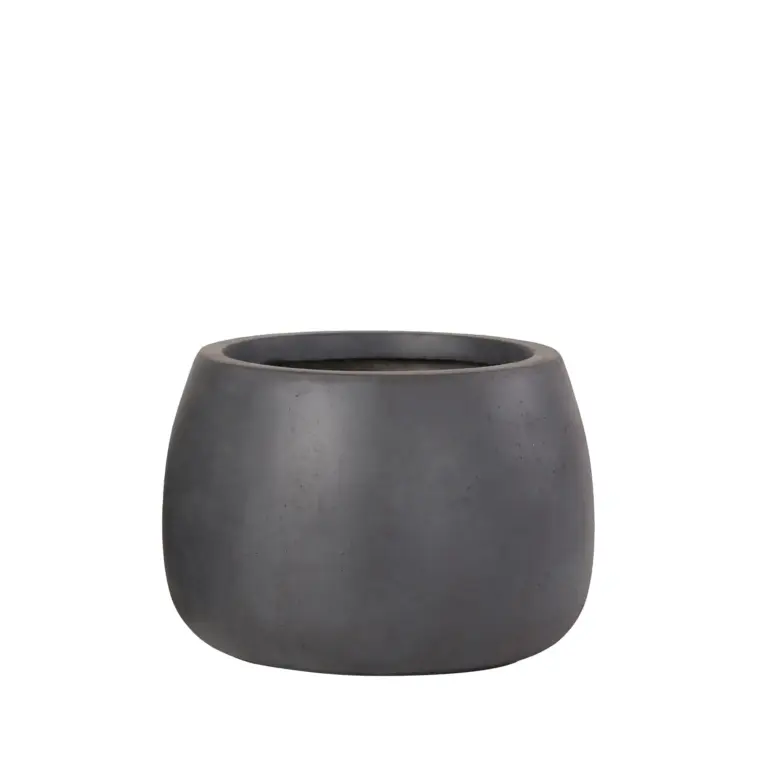
They have fleshy stems and leaves that retain moisture — ideal for hot conditions. They look great in small flat planters with natural textures (graphite, grey, terracotta). Minimum watering, maximum decorativeness — perfect for balconies or small terraces.
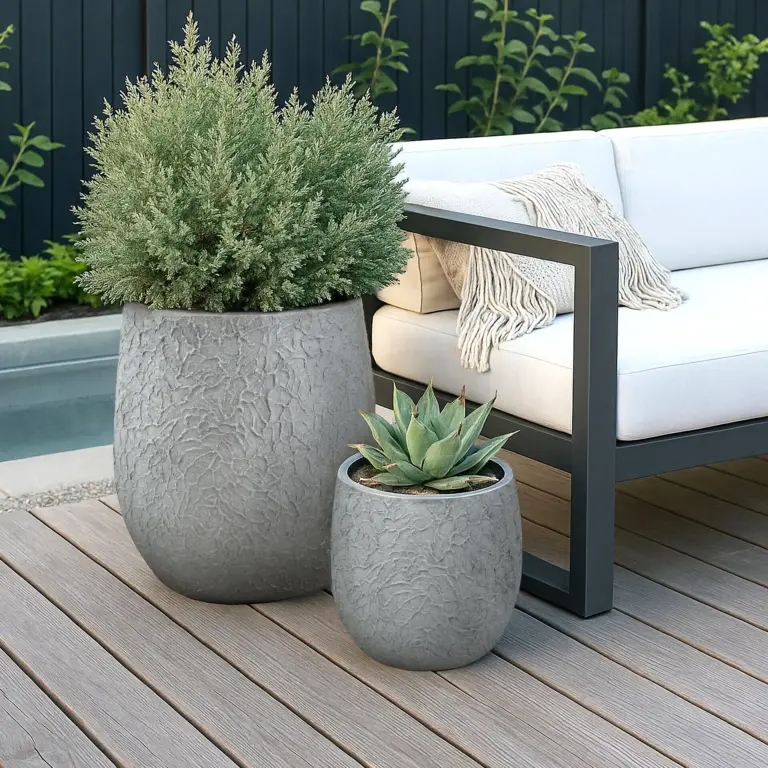
Ideal planter: compact with natural texture — Vells 27×27×18 cm or other small models. You can group several planters of different sizes for a “collection” effect.
Trees: olive, hawthorn, sea buckthorn
Decorative and practical. A deep root system helps withstand heat. They become an accent in a modern yard or patio.
Ideal planter: tall and voluminous — Torino 54×54×100 cm for an adult olive or Lisbon 52×52×60.5 cm for a young tree. The larger the volume — the more stable the development.
Perennials: echinacea, sedum, phlox, periwinkle
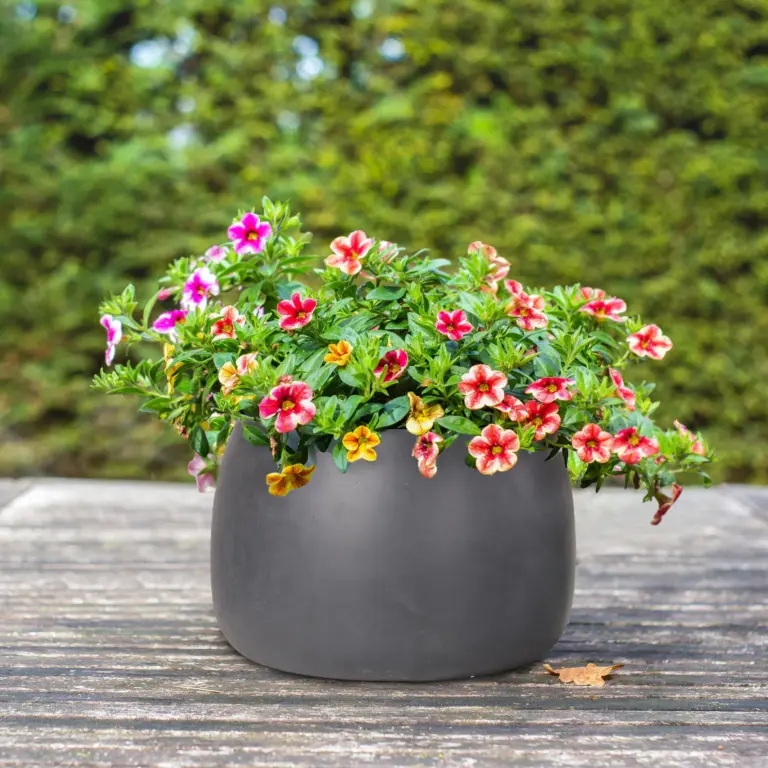
Decorative flowers that withstand drought. Some store moisture, others have a strong root system. They look harmonious in medium planters with a stone-like texture.
Ideal planter: medium size — Vells 37×37×26 cm, can be grouped for multi-flower compositions.
Aromatic plants: sage, armeria, evening primrose
Provide bright accents, attract bees and butterflies, and do not require frequent watering. They grow well in containers of various shapes.
Ideal planter: compact — Vells 27×27×18 cm or medium models. Aromatic plants are best placed near relaxation areas — by loungers or dining tables.


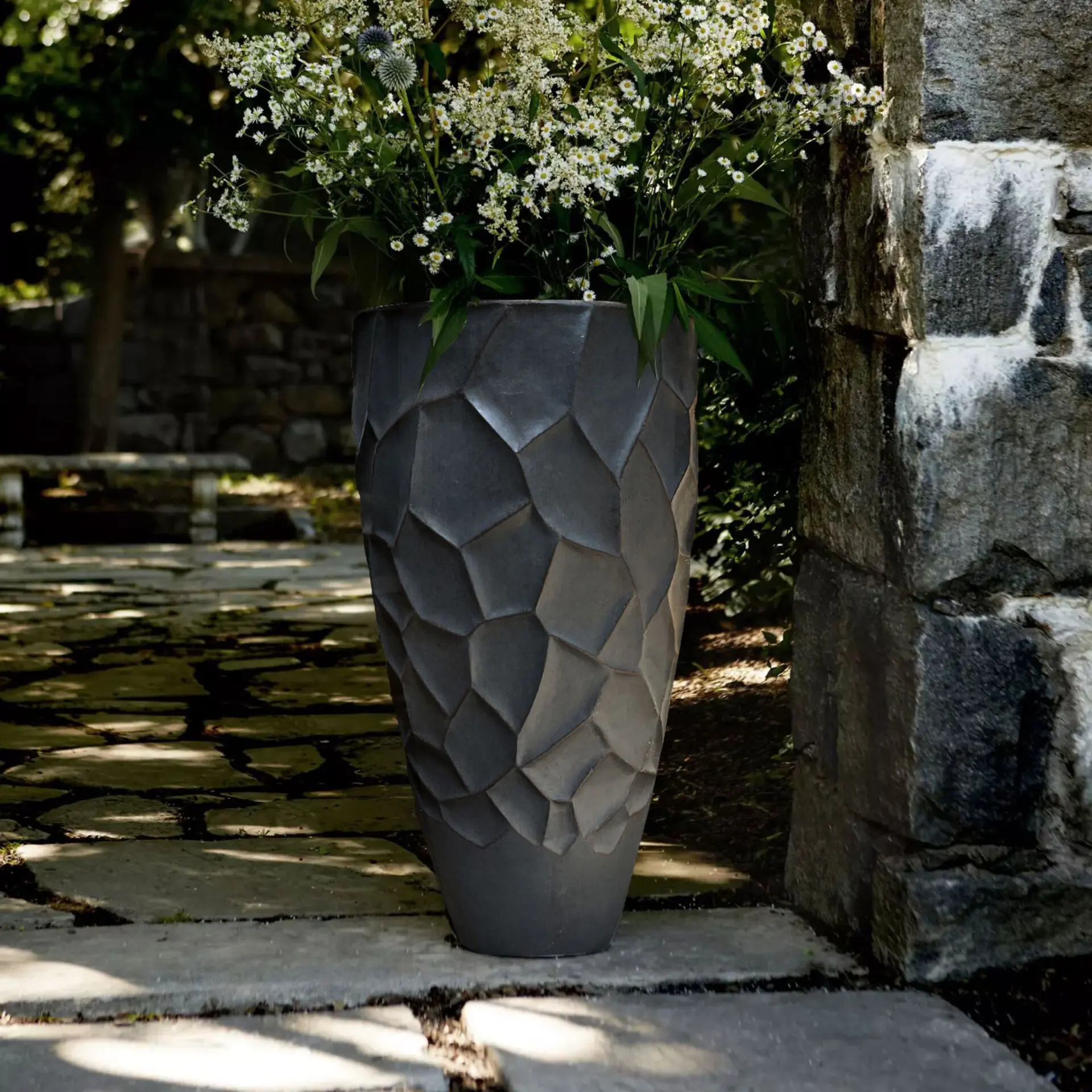

Which planter to choose for a plant
| Plant | Sun | Watering | Planter size | Recommended Engard model |
|---|---|---|---|---|
| Lavender | High | Rare | Medium | Vells 27×27×18 / 37×37×26 |
| Yucca | High | Very rare | Tall | Ottawa / Torino |
| Agave | High | Very rare | Large | Lisbon |
| Grasses | Sun/partial shade | Moderate | Wide | Vells 37×37×26 |
| Succulents | High | Minimum | Small/flat | Vells 27×27×18 |
| Olive | High | Moderate | Very large | Torino / Lisbon |
| Perennials | Sun/partial shade | Moderate | Medium | Vells 37×37×26 |
| Aromatic (sage) | Sun | Rare | Small/medium | Vells 27×27×18 / 37×37×26 |
Why Fiberstone planters are ideal for plants in heat
Materials that do not overheat
Fiberstone planters or lightweight composite materials from Engard have good thermal insulation. This helps plant roots not to “burn” in the sun, which is especially important for heat-resistant plants (agave, yucca, lavender, etc.). In addition, the planters themselves are UV-resistant — they do not crack or fade in the sun.
Drainage and ventilation
High-quality Engard planters have a drainage system to remove excess moisture — this is important even for drought-tolerant plants. Excess water is the main enemy of roots in heat, as it causes rotting.
Before planting, we recommend adding a drainage layer at the bottom — expanded clay or ceramic shards 2–3 cm, especially for succulents and cacti.
Sizes and shapes
For heat-resistant plants, it is important to have enough volume for root system development. The Engard collection includes models from compact 27×27 cm to floor-standing XXL planters 100 cm high — you can choose for any plant, from a miniature succulent to a mature olive tree.
Ease of movement
Sometimes plants need to be moved or taken indoors for winter (especially agave, yucca, and young olive trees). Lightweight Fiberstone planters from Engard make this process easier — even a large 52×52 cm model weighs significantly less than a concrete equivalent.
How to plan terrace landscaping with Engard planters
Large planters combined with drought-tolerant plants are the perfect duo for minimal maintenance and a WOW effect even at 35+ °C. Here are three techniques that work best.


Zoning the space
Large planters are the easiest way to zone a terrace or yard without complex partition installation. One or two tall planters Torino 54×54×100 cm with a decorative tree or a group of grasses can separate a lounge area from a dining area or protect from wind.
Layered compositions
Thanks to different sizes and shapes of Engard models, you can easily combine several planters in groups and create volumetric greenery with interesting geometry. For example: a large Lisbon 52×52×60.5 cm with an olive tree + two Vells 37×37×26 cm with lavender + several small Vells 27×27×18 cm with succulents in the foreground.
Playing with color and style
Engard Fiberstone planters can be painted if needed in any desired color — this is ideal if you want to refresh a space or adapt it to a new style. The collection includes models from minimalism to stone-like textures — easy to match with modern, Mediterranean, or Scandinavian styles.
Practicality in any weather
Fiberstone material does not overheat in the sun, withstands UV, rain, and even морозы up to −30 °C. Drainage holes prevent water stagnation — roots always “breathe”. This means your landscaping withstands all seasons — from spring frosts to summer heat.
Frequently Asked Questions
Which plants grow best in planters in summer?
Drought-tolerant plants perform best in summer heat: lavender, yucca, agave, olive, ornamental grasses (miscanthus, feather grass), succulents, and cacti. All of them have thick leaves or deep root systems that help store moisture and survive high temperatures.
How often should drought-tolerant plants be watered in planters?
In hot weather (from 25 °C) — once every 5–7 days, abundantly, until the soil is fully saturated. In moderate weather — once every 10–14 days. Succulents and cacti need even less — once every 2–3 weeks. Before watering, check the soil dryness at a depth of 3–5 cm: if dry — it’s time to water; if moist — wait.
Can plants be left outside in planters during winter?
It depends on the plant. Lavender, echinacea, sedum, sea buckthorn, hawthorn — are frost-resistant and can overwinter outside. Yucca, agave, olive, cacti, and succulents are better moved to an unheated space (garage, veranda) at +5…+10 °C. Engard Fiberstone planters withstand −30 °C, so nothing will happen to them.
What size planter should be chosen for an olive or yucca?
For a mature olive tree (1.5–2 m) — a planter with a volume of 60–80 liters, for example Torino 54×54×100 cm. For a young tree or medium yucca — Lisbon 52×52×60.5 cm. General rule: the planter diameter should be 5–10 cm larger than the root ball.
Is drainage necessary in planters?
Yes, обязательно. All Engard planters have drainage holes, but before planting we recommend adding an additional layer of expanded clay or ceramic shards 2–3 cm at the bottom. This is especially important for succulents, cacti, yucca, and agave — they do not tolerate water stagnation.
What soil should be used for planters?
For most drought-tolerant plants, universal soil with added sand and perlite (1:1:1) is suitable. For succulents and cacti — специальный soil “for cacti and succulents” or a mix of soil with sand (1:1). Lavender prefers alkaline soil — add a bit of dolomite flour or chalk.
How often should plants be repotted into a new planter?
Once every 2–3 years for most perennials, once every 4–5 years for trees and agave. A signal for repotting: roots start coming out of drainage holes or appear on the surface. Each time, choose a planter 5–10 cm larger than the previous one.
Ready to create a green oasis?
In the Engard collection, you will find planters for every need — from compact models to giant outdoor containers that effectively zone terrace or garden space. Stylish, durable, and resistant to sun and moisture, these planters are the perfect foundation for decorating a home, patio, restaurant, or garden.
Not sure which planter to choose for your plants? An Engard manager will help you подобрать the right model for your space and budget.